-
Sustaining the Spark: How to Keep a Safety Culture Alive
The Challenge: What Happens After the “Wow”? Building a safety culture is one thing. Keeping it alive, year after year, shift after shift, is something else entirely. Most organizations start strong. There’s energy, new signage, new initiatives, new slogans. For a while, it feels like the spark is catching fire. But then, somewhere between production…
-
Applying the “Culture of Wow” to Safety Leadership
From Rules to Mindset: The Evolution of Safety Leadership We’ve all heard it before: “Safety is everyone’s responsibility.” But what does that really mean? For too long, safety has been treated as a checklist; something we do to stay compliant, not something we live. The truth is, safety doesn’t thrive through policy alone; it thrives…
-
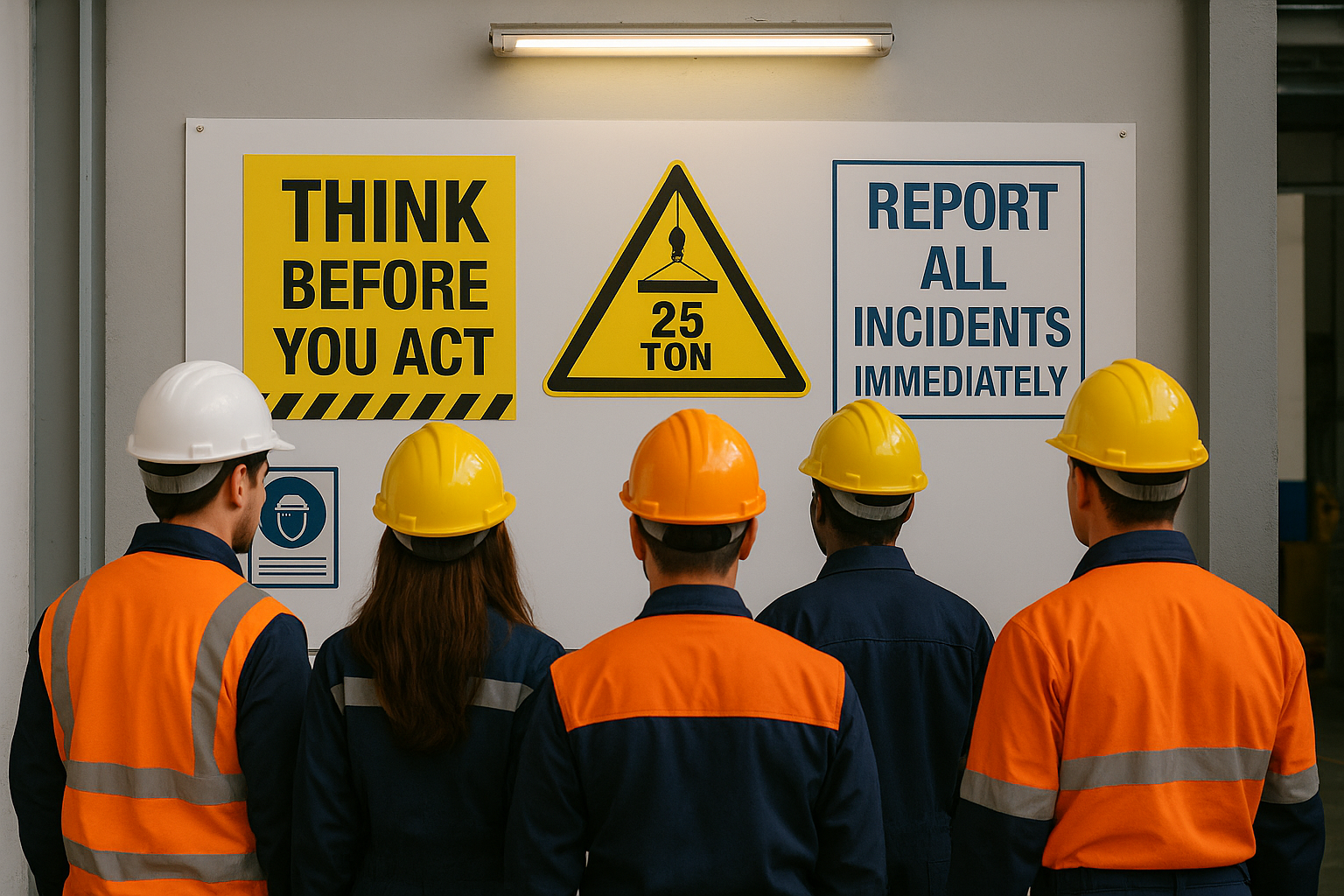
Beyond Compliance: How to Build a Safety Mindset That Thrives When No One’s Watching
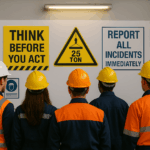
The Problem with “Checking The Box” Safety Walk into any manufacturing facility, and you’ll find the same signs: Safety First. Think Before You Act. Report All Incidents Immediately. But let’s be honest; most employees don’t need more posters. They need purpose. Safety that depends on supervision, checklists, or fear of discipline will only go as…
-
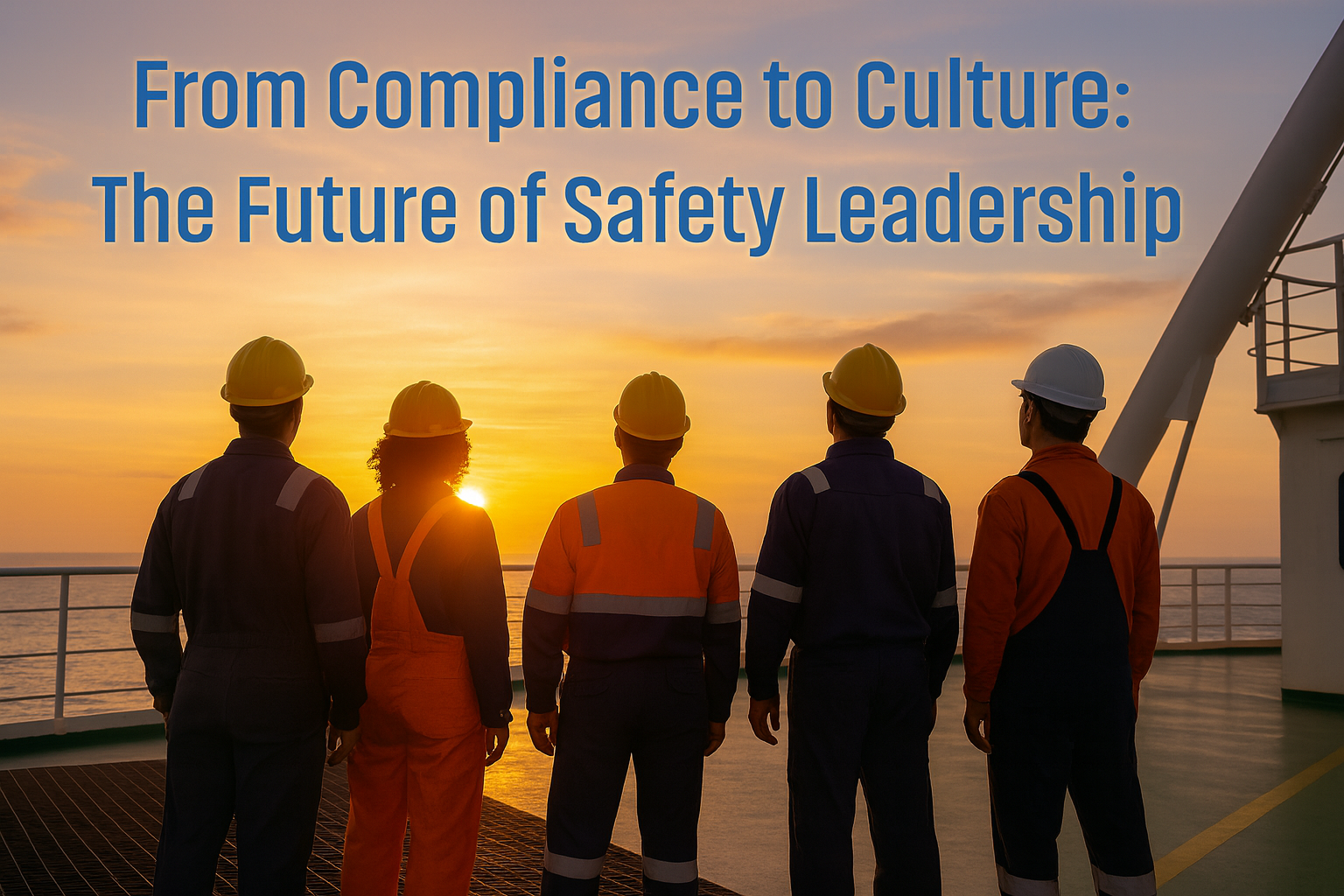
From Compliance to Culture: The Future of Safety Leadership Series
Why This Series Matters Most safety programs start with good intentions; checklists, policies, and slogans designed to keep people safe.But real safety leadership goes deeper than that. It’s not just about compliance; it’s about culture. Culture is how people act when no one’s watching.It’s the belief that every person has a role in protecting themselves…
-

Introducing the AEGIS Safety Metrics Calculator
Struggling to Calculate TRIR or DART? You’re Not Alone. If you’ve ever had to manually calculate TRIR (Total Recordable Incident Rate) or DART (Days Away, Restricted, or Transferred) rates, you know it’s tedious. Between digging through spreadsheets and double-checking OSHA formulas, it’s easy to make mistakes—or delay reporting altogether. That’s why we built the AEGIS…
-

IS SAFETY THE RIGHT CAREER FOR YOU? DISCOVERING YOUR FIT
Introduction Most people don’t grow up dreaming of becoming a safety professional. Instead, many find their way into safety unexpectedly—by stepping up in the workplace, being “voluntold” for safety responsibilities, or naturally gravitating toward problem-solving and hazard prevention. But what if you’re considering a career in safety? How do you know if it’s the right…
-

Addressing Challenges Specific to Women Leaders: Insights from “The Hope-Driven Leader” by Libby Gill
In the male-dominated sectors, such as safety industries, women leaders often face unique challenges that can impede their progress and impact their leadership effectiveness. Libby Gill, in her book “The Hope-Driven Leader,” provides actionable insights and strategies that can help women overcome these challenges, emphasizing the power of positivity and hope in the workplace. 1.…
-

The Hope-Driven Leader: Harness the Power of Positivity at Work – By Libby Gill
The Hope-Driven Leader: Harness the Power of Positivity at Work, written by Libby Gill, explores the integral role of hope in leadership. The book is recognized for its unique perspective on leadership through the lens of hope. It’s structured around various aspects of hopefulness in terms of communication, leadership, culture, and relationships, addressing different generations,…
-
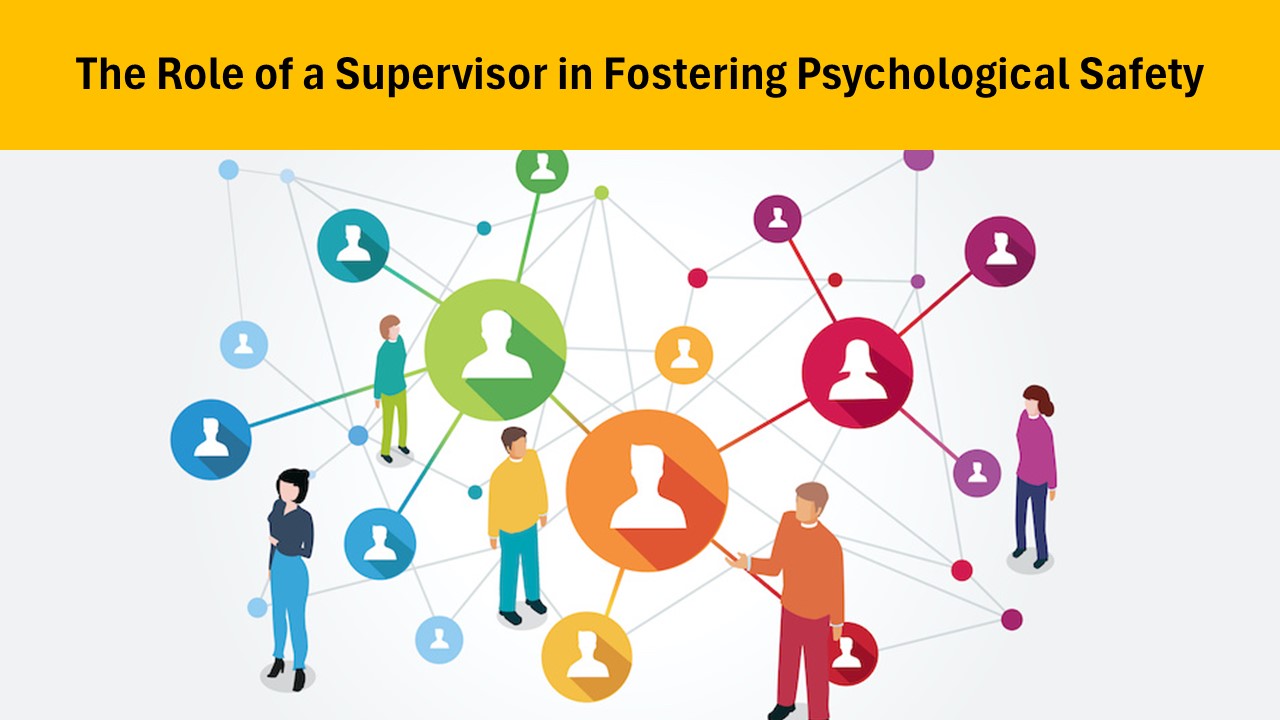
The Role of a Supervisor in Fostering Psychological Safety
The Supervisor’s Influence on Workplace Culture Supervisors are often the linchpin between the organization’s strategic objectives and the team’s daily activities. They set the tone for the team’s communication style, conflict resolution approaches, and overall atmosphere. Supervisors play a pivotal role in shaping the psychological safety of their teams. Their actions and attitudes can significantly…
-
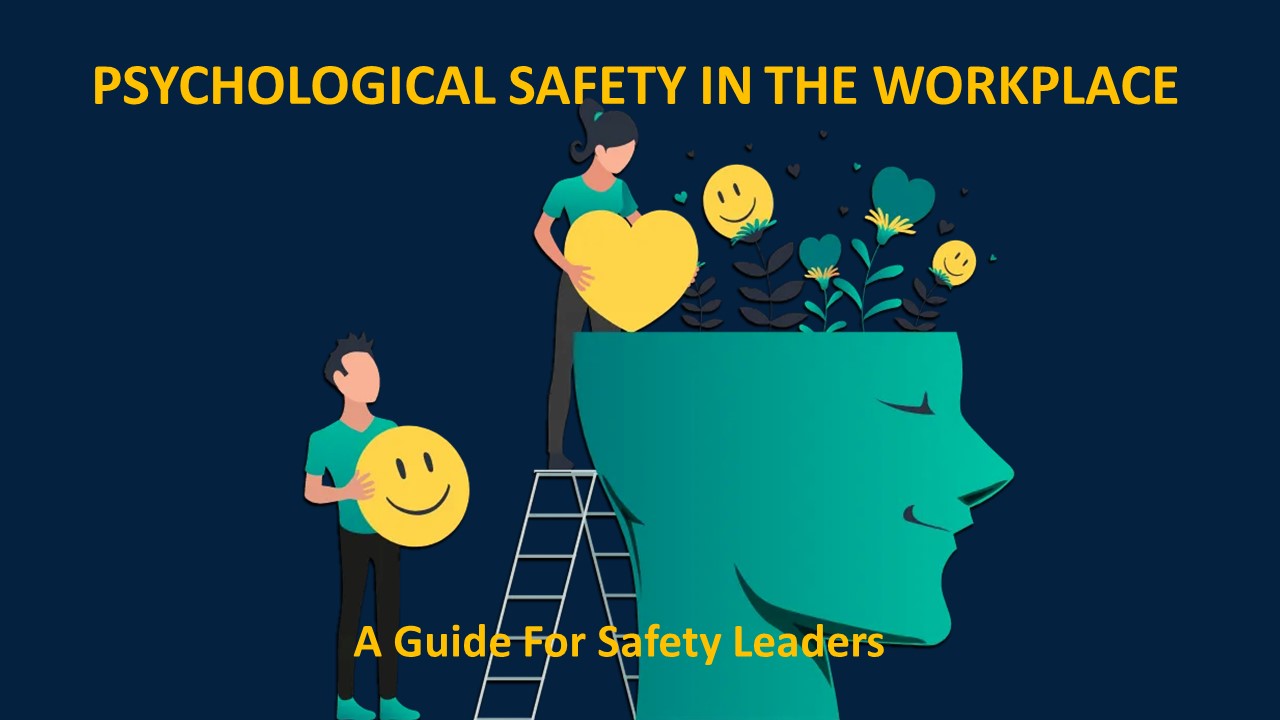
Psychological Safety in the Workplace – Introduction
Psychological safety refers to the shared belief among team members that the team is safe for interpersonal risk-taking. It means feeling comfortable to express oneself without fear of negative consequences to self-image, status, or career. In teams with high psychological safety, members feel confident speaking up, asking questions, admitting mistakes, and presenting new ideas. In…
Recent Post
- Sustaining the Spark: How to Keep a Safety Culture Alive
- Applying the “Culture of Wow” to Safety Leadership
- Beyond Compliance: How to Build a Safety Mindset That Thrives When No One’s Watching
- From Compliance to Culture: The Future of Safety Leadership Series
- Introducing the AEGIS Safety Metrics Calculator